
In this order of preference, and never the other way round.
The route is chosen by what the system actually supports, not by what is quickest for us. A system with no modern API is a normal Tuesday, not a reason to say no.
Official, documented, versioned. Where it exists this is always the answer.
Read directly, write through a controlled layer with the vendor's blessing where the vendor still exists.
Scheduled exports and imports. Unglamorous, entirely reliable, and often what a twenty-year-old system was designed for.
UI automation, when there is genuinely nothing else. It is the last resort and we will say so out loud rather than quietly billing for it.
60+ integrated, 44 documented. Both are true.

We have connected more than sixty systems. 44 of them are listed below, because those are the ones we can name — the rest are client-specific builds or legacy systems covered by an NDA.
The two figures appear next to each other on this site and they used to look like a contradiction. They are not; they count different things. If a number on any page of ours does not add up, ask — we would rather explain it than have you quietly discount everything else.
The ones we can name.
Not on the list does not mean not possible. It usually means we have connected it and not written it down yet.
The same three rules on every integration we build.
Defined per step, named in the design document, and enforced in the code rather than in a policy nobody reads.
Who or what did it, when, on which record, and what the previous value was. Written so an auditor can follow it without us in the room.
Not retrofitted after go-live, when it is both more expensive and less complete.
Your own tenant, your own servers, or EU-region Azure — decided before we build, not after. Encryption in transit and at rest, with GDPR and the EU AI Act handled at design time rather than argued about at go-live.
With American partners the first work is consulting: understanding what you already run, where your own delivery is stretched, and where we can genuinely help. Hosting follows from that decision rather than leading it.
Talk it through →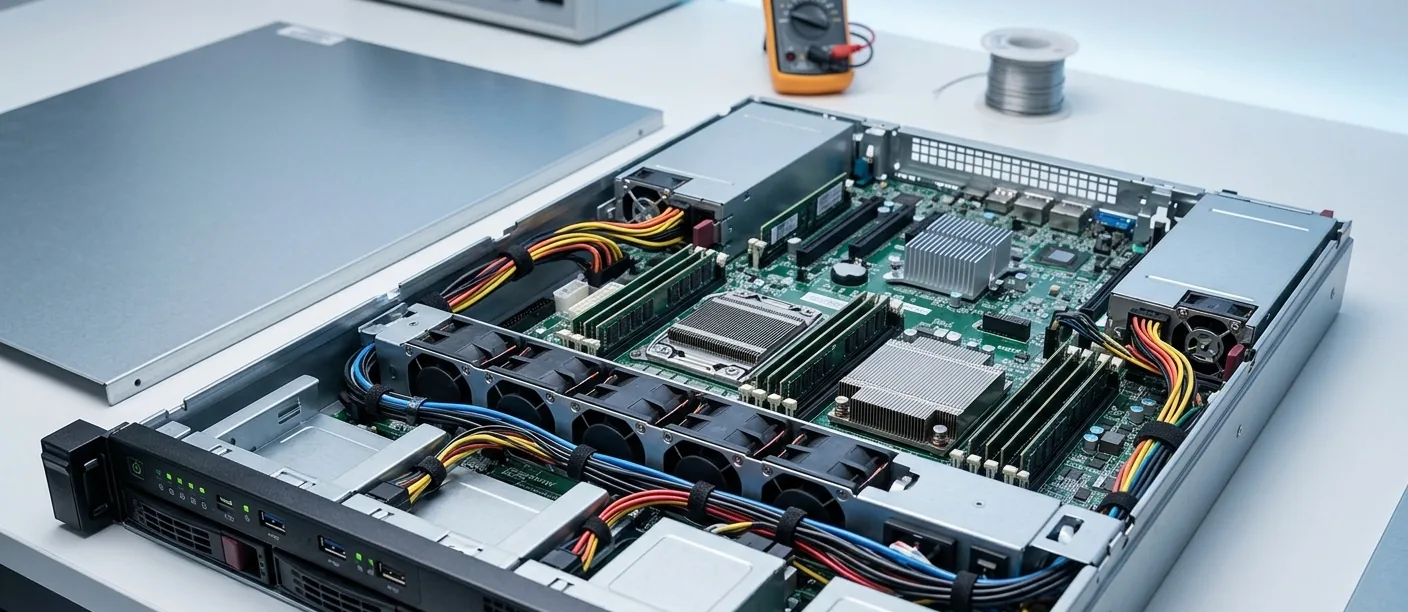 Some of it runs in the EU cloud. Some of it runs on a machine you can point at.
Where it runs is your decision, made before we build. For sensitive data that is usually your own infrastructure; for everything else, EU cloud. Either way we are the ones operating it.
Tell us what you run. We will tell you what is reachable.
 Book 30 minutes.
Bring a list of your systems. We will be straight about which ones are easy, which are work, and which are not worth it.
Book a call → See how we build agents.What sits on top of these connections once they exist.
How we build agents → Or start with a routine.Eight processes we have solved often enough to quote quickly.
All eight routines →